Why You Keep Hitting Pause Right Before Everything Gets Good
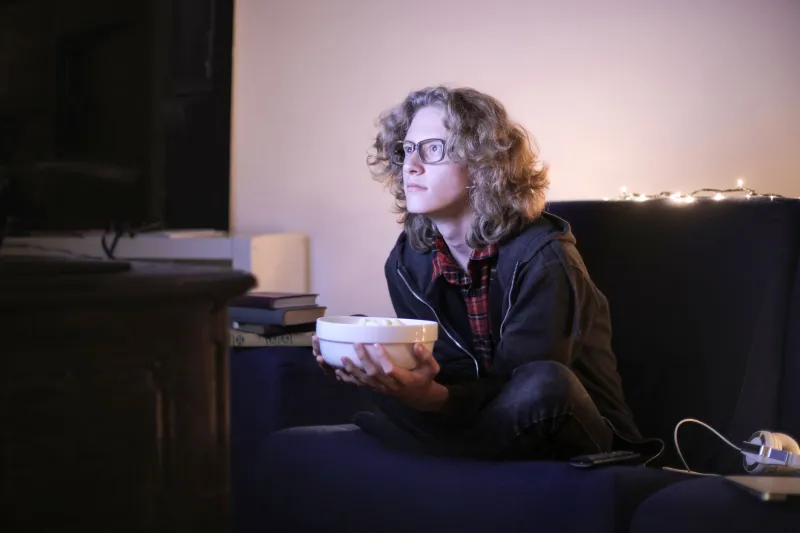
You know the moment. The music swells. The camera lingers just a half-second too long on someone's face. Every narrative signal in the universe is screaming this is it — and instead of letting it happen, you hit pause. Maybe you grab your phone. Maybe you refill your water. Maybe you just sit there staring at a frozen frame for a solid forty-five seconds before you can bring yourself to press play again.
This isn't a bug in your viewing habits. It's actually one of the more fascinating things streaming has done to the human brain — and once you understand what's happening, you'll probably never look at your pause button the same way.
The Anticipation Is the Product
Here's the thing about suspense that storytellers have known forever: the moment before something happens is almost always more powerful than the moment itself. Hitchcock built an entire career on that principle. But for most of film and television history, audiences didn't have a whole lot of say in the pacing. You sat in a theater, or you watched live TV, and the story moved at the speed it was designed to move.
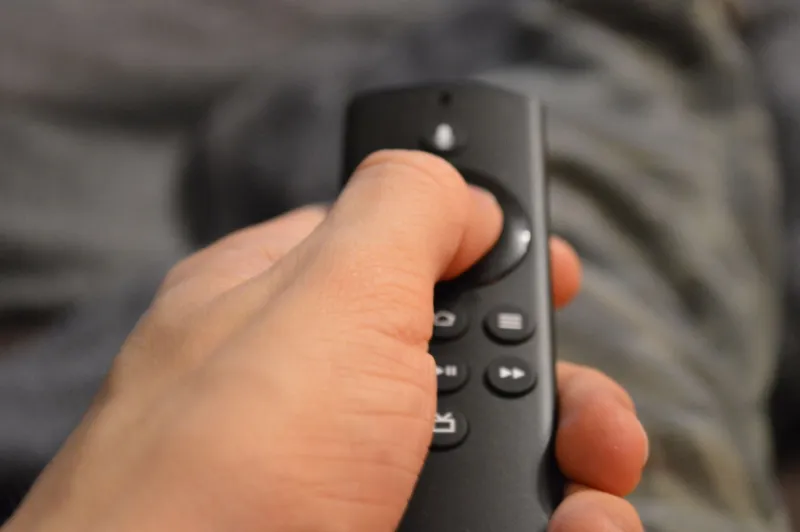
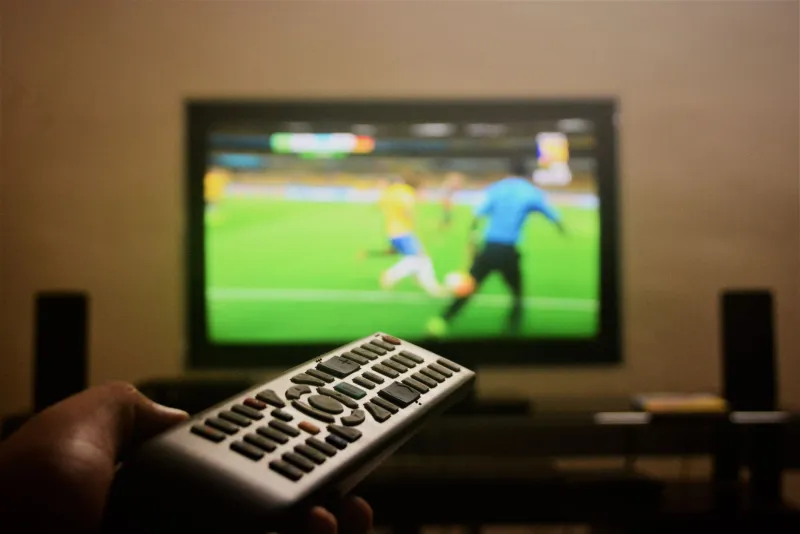
Streaming changed that contract completely. Now you hold the remote — or more accurately, you hold the app — and with it comes this strange, almost godlike authority over narrative time. You can stop the world. You can suspend the moment indefinitely. And a surprising number of people are using that power not to skip ahead, but to pump the brakes right when things get interesting.
Psychologists who study anticipation and reward describe something called reward delay — the way humans often derive more pleasure from expecting a good thing than from actually receiving it. Dopamine, the brain's feel-good chemical, spikes during anticipation, not just during payoff. When you pause right before the big moment, you're essentially hacking your own reward system. You're keeping the dopamine flowing a little longer before the inevitable comedown of resolution.
Control in a World That Doesn't Offer Much of It
There's another layer here that goes beyond brain chemistry. Think about what a cliffhanger actually does to you emotionally. It puts you at the mercy of the story. You don't know what happens next. You're vulnerable. And for a lot of viewers — especially in an era where the news cycle alone can feel like a constant emotional ambush — surrendering control, even to something as low-stakes as a TV show, can trigger a genuine protective response.
Pausing is a way of saying: not yet. I'll get there on my own terms.
This is particularly common at emotionally charged moments — a character finally admitting they're in love, a long-awaited confrontation, a death scene everyone saw coming but nobody wanted to actually watch. The pause isn't avoidance, exactly. It's more like bracing. You know you're going to feel something big, and you want a second to get ready for it.
In that sense, the pause button has become one of streaming's most underappreciated emotional tools. It's not just a mechanical function. It's a coping mechanism built into the interface.
When Pausing Is Actually About the Ending
Here's where it gets a little more complicated. Sometimes the pause before a pivotal scene isn't really about that scene at all — it's about what comes after it.
Major plot moments are often mile markers. Once you watch the confrontation, the kiss, the reveal, you're that much closer to the finale. And finales mean endings. Endings mean the show is over. For viewers who've gotten genuinely attached to a series — who've spent hours with these characters, who've built a real emotional investment — the end of a show can feel like a small loss.
Pausing at peak moments is sometimes a form of unconscious pacing. A way of making it last. If you stop right before the good part, you can live in the anticipation a little longer. The show isn't over yet. The characters are still mid-sentence. Everything is still possible.
This connects to something Vidoo users talk about all the time — the tendency to deliberately slow down toward the end of a beloved series, rationing episodes, saving the finale for weeks. Strategic pausing is just a micro-version of the same instinct, playing out scene by scene instead of episode by episode.
The Streaming Platform Knows You Do This
It's worth noting that the people who build these platforms are very much aware of this behavior. Autoplay features, chapter markers, the little previews that pop up when you hover — these are all designed with viewer psychology in mind. When Netflix or Hulu or any other service adds a "skip to next episode" prompt, they're making a calculated bet about when you're most likely to either keep watching or close the app.
Cliffhangers are engineered to hit at specific emotional frequencies. Showrunners and editors work hard to place act breaks and episode endings at moments of maximum tension — not because they want to frustrate you, but because they know that tension is what pulls you back. The pause button, in a weird way, is you pushing back against that engineering. It's a small assertion of agency inside a system that's been carefully designed to keep you moving forward.
So Should You Stop Stopping?
Not necessarily. There's nothing dysfunctional about pausing your way through an emotionally intense episode. If anything, it suggests a level of genuine engagement that passive viewing doesn't really allow for. You're not checked out — you're almost too in it.
That said, if you notice yourself stuck on a frozen frame for ten minutes because you genuinely can't bring yourself to watch what comes next, it might be worth asking what that episode is touching on. Sometimes the stories that make us hit pause the hardest are the ones doing the most work on us — the ones that are poking at something real.
And sometimes you just really needed a snack before the dragon showed up. Both are valid.
The Pause Is Part of the Experience Now
Streaming didn't just change what we watch or how much we watch. It changed the fundamental rhythm of watching. We are no longer passive recipients of a story moving at a fixed speed. We're active participants in our own viewing experience — pacing ourselves, bracing ourselves, savoring the moments that matter most to us.
The pause button is the clearest expression of that shift. It's small, it's quiet, and most of the time you probably don't even think about why you're pressing it. But the next time your thumb hovers right before the big moment, pay attention to what you're actually doing. You're not stalling. You're participating. You're telling the story, in your own small way, that you're not ready for it to move on just yet.
And honestly? The story can wait.