Skip It or Sit Through It: The Weird Guilt Loop That Plays Out Every Time Your Show's Theme Song Starts
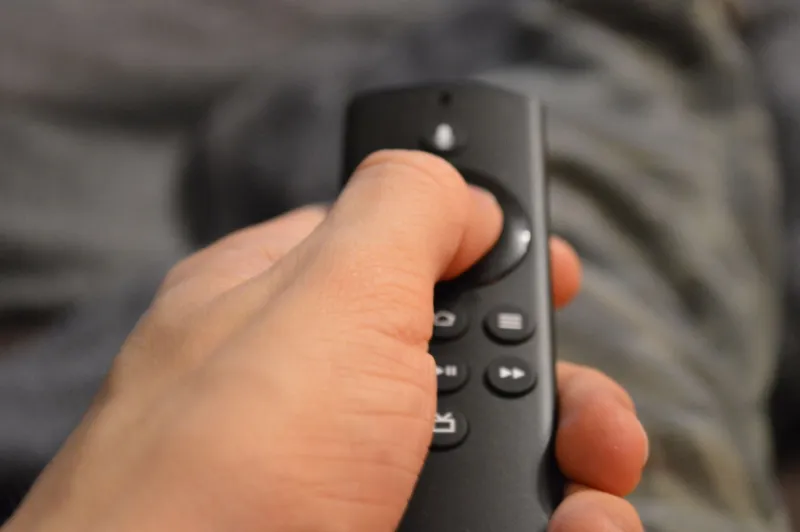
It takes about three seconds. The opening notes kick in, the title card blooms across your screen, and suddenly you're in a standoff with a little rectangle in the corner that reads Skip Intro. You hover. You hesitate. You either tap it and feel like you just rushed past someone's hard work, or you sit through it and feel vaguely impatient, like you're being held hostage by a 90-second montage you've already watched eleven times.
Either way, something feels off.
This is the streamer's guilt loop — a genuinely modern psychological quirk that didn't exist before on-demand viewing made repetition unavoidable. And it turns out, you're not alone in this weird little spiral.
The Button That Changed Everything
Netflix introduced the Skip Intro feature back in 2017, and at the time it felt like pure convenience. Nobody needs to watch the Game of Thrones map unfurl for the hundredth time, right? But what seemed like a simple quality-of-life upgrade quietly introduced a new layer of friction into the viewing experience — not technical friction, but emotional friction.
Because here's the thing: intro sequences aren't just filler. For a lot of shows, they're the creative handshake between the people who made it and the people watching it. The Breaking Bad opening with its periodic table dissolves, the eerie simplicity of The Leftovers theme, the full-send theatrical production of Succession's piano-driven credits — these weren't accidents. Composers, directors, and designers spent real time and real money building something meant to set a tone, cue your emotions, and signal that something worth your attention is about to begin.
Skipping it feels, on some level, like walking out during a toast.
What the Data Actually Says
Streaming platforms don't talk about intro-skip rates in their quarterly earnings calls, but the data absolutely exists. Services like Netflix, Hulu, and Max are tracking every tap on that button — and the patterns are telling.
Industry observers and developers who've worked adjacent to these platforms have noted that skip rates tend to skyrocket after the second or third episode of a binge session. In other words, you'll probably sit through the cold open of episode one. By episode four at midnight, that button is getting hammered. The data also suggests that skip behavior correlates strongly with episode length — longer shows see higher skip rates on intros, possibly because viewers are already mentally budgeting their time.
But there's a flip side. Some shows see remarkably low skip rates even among repeat viewers. Stranger Things, The Bear, and Severance have all developed reputations for intros that people genuinely don't want to skip. What do they have in common? Sequences that feel tonally essential — not decorative, but functional. They're doing psychological work, transitioning you from your couch brain into the show's specific emotional register.
When an intro succeeds at that, skipping it actually feels like showing up to a concert and walking in after the opening number.
The Repetition Problem Is Real
Still, the guilt of not skipping deserves its own honest examination. Binge-watching — which is still how a huge chunk of Americans consume streaming content — means you might encounter the same 75-second sequence eight times in a single weekend. At some point, even the most beautifully crafted theme becomes a loading screen in your brain.
There's actual cognitive science behind this. Repeated exposure to the same stimulus without variation leads to something called habituation — your brain essentially stops processing it as meaningful information and starts treating it as background noise. So the intro that genuinely moved you on episode one can feel like an obstacle by episode six, not because it's worse, but because your brain has filed it under already processed, move on.
This is why the guilt loop exists in the first place. You know the intro is good. You remember that it mattered. But right now, in this moment, your brain just wants the story to continue. Tapping Skip Intro isn't disrespect — it's neuroscience.
Why Some Shows Are Winning the Skip War
The most interesting creative response to skip culture isn't fighting it — it's designing around it. Some showrunners have started building intros that evolve across a season, dropping in new visual details, altered imagery, or subtle foreshadowing that rewards viewers who pay attention. Westworld did this in its earlier seasons. What We Do in the Shadows tweaks its credits artwork to reflect seasonal changes. When the intro becomes a puzzle, skipping it means missing something.
Others have leaned into brevity. Short, punchy title cards — sometimes under 20 seconds — don't trigger the same impatience. You barely have time to reach for the remote before the show's already started. Succession understood this. Its intro is long by modern standards, but it earns every second through sheer musical momentum. You don't feel like you're waiting — you feel like you're already in it.
Then there's the nostalgia play. For comfort rewatches — your Friends, your New Girl, your Schitt's Creek — the intro is part of the comfort. Skipping it would actually undercut the whole point of the viewing experience. That theme song is a signal to your nervous system that it's time to relax. Platforms seem to understand this too; some have experimented with giving users the option to set certain shows as "always play intro," acknowledging that one-size-fits-all skip logic doesn't account for emotional context.
The Guilt Isn't Really About the Intro
Here's the thing nobody says out loud: the guilt around skipping intros is a proxy for a bigger anxiety about how we consume content at all.
We're watching more than ever, but a lot of us feel vaguely bad about how we're doing it — too fast, too passively, too much. Skipping an intro becomes a symbol of that. It's a small, concrete moment where you can either honor the work or prioritize your own consumption pace, and whichever choice you make, part of your brain is going to second-guess it.
But here's a reframe worth sitting with: the people who made your favorite show want you to enjoy it. If blowing past the credits means you're more likely to stay engaged, less likely to fall asleep, and more likely to finish the season — they'd probably take that trade. The intro was designed to serve the story. So was your attention.
Use the button when you need it. Let the theme play when it matters. And maybe stop holding yourself to a viewing etiquette rulebook that nobody actually wrote.
The show's already started. You're already watching. That's the whole point.