Same Face, Different Actor: The Sneaky Art of Mid-Series Recasting You Probably Slept Through

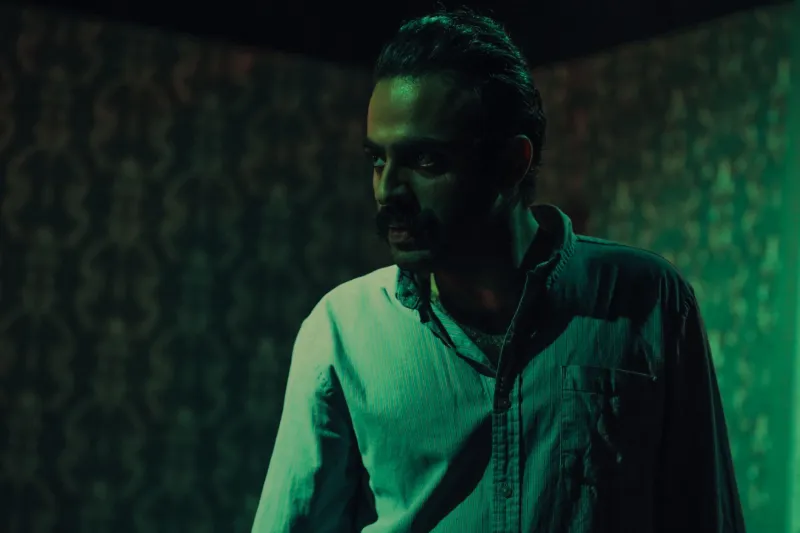
Something strange happened midway through a season you loved. A character walked back on screen and something felt... slightly off. The jawline, maybe. The way they held a coffee cup. You shrugged, kept watching, and forgot about it by the next episode. What you almost certainly didn't register is that you were watching a completely different human being.
Recasting mid-series is nothing new. Soap operas have been doing it for decades — sometimes with a quick on-screen announcement, sometimes with zero acknowledgment at all. But streaming has taken this old trick and refined it into something close to an art form. The format, the pacing, the sheer volume of content audiences consume — all of it creates the perfect conditions for a switcheroo that barely registers.
Why Streaming Makes This So Much Easier
Traditional network TV operated on a weekly schedule. You watched an episode on Thursday night, talked about it at work Friday, and had six more days to think about that weird vibe coming off your favorite character before the next installment dropped. That gap gave viewers time to notice things, process them, and hit the internet with questions.
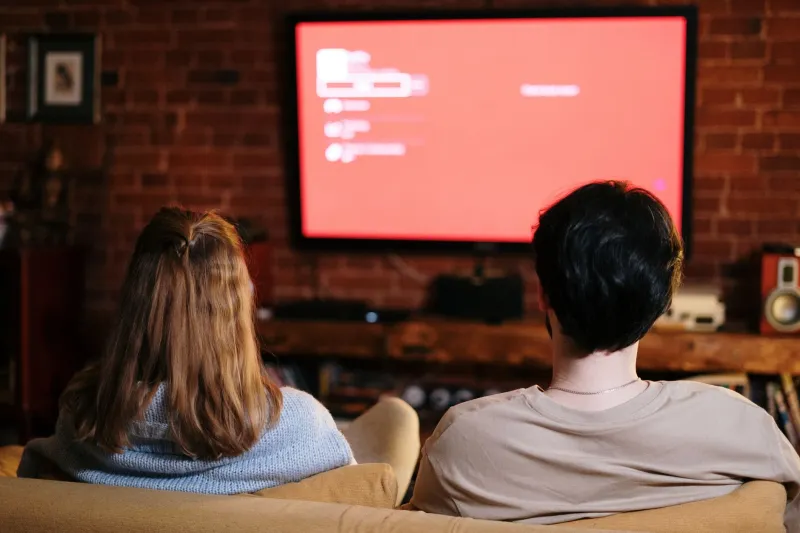
Streaming collapsed that gap almost entirely. When you're burning through four episodes on a Saturday afternoon, your brain is in pure absorption mode. You're tracking plot threads, emotional beats, and dialogue — not cataloguing facial geometry. The binge format essentially turns off the part of your attention that would otherwise flag inconsistencies.
There's also the production side to consider. Streaming budgets and shooting schedules operate differently than network TV. When a contract dispute, a personal conflict, or a scheduling nightmare pulls an actor off a show, producers don't always have the luxury of a dramatic write-off or a heartfelt goodbye episode. Sometimes the easiest solution is a quiet replacement and a hope that viewers are too invested in the story to pump the brakes.
The Psychology Behind Not Noticing
Here's the part that's genuinely wild: even when a recast is fairly obvious in retrospect, audiences often don't catch it in real time. Cognitive scientists have a term for this — change blindness. It's the same phenomenon that lets a magician swap one card for another right in front of your face. Your brain is wired to fill in gaps and maintain continuity, especially when you're emotionally invested in what you're watching.
When you love a character — their backstory, their relationships, their arc — your brain attaches that love to the idea of them rather than the specific physical person portraying them. A new actor who carries similar energy, wears similar clothes, and shares scenes with the same supporting cast slots into that emotional template surprisingly well. Your attachment does the heavy lifting.
There's also the question of context. If you're watching alone in a dark room at 11 PM, you're probably not in peak critical analysis mode. Streaming platforms are designed for that kind of immersive, slightly passive viewing state. It's not a bug — it's a feature that happens to make recasting significantly less jarring.
Real Moves, Real Examples
The streaming era has produced some genuinely impressive mid-series swaps. Some shows have replaced minor characters so smoothly that fan wikis only caught on months after a season dropped. Others have pulled off more significant changes — recasting roles that had real screen time — and gotten away with it by leaning into a time jump, a dramatic physical transformation for the character, or simply a different hairstyle and a confident performance.
One reliable technique is the "narrative pivot." Rather than pretending nothing happened, writers subtly reshape the character to align with the new actor's strengths. The sarcastic wit gets dialed back, the brooding intensity gets dialed up. Viewers experience this as character growth, not a personnel change. It's actually kind of brilliant.
Another go-to move is the strategic reintroduction. The recast character disappears for a few episodes — traveling, in the hospital, off-screen for plot reasons — and then returns. By the time they're back, enough story has happened that your mental baseline for the show has refreshed. You're comparing the new actor to your recent memory, not your earliest impression.
The Editing Room Does a Lot of Work
Editors and visual effects teams deserve serious credit here. Mid-series recasts often involve extensive post-production work to smooth the transition. Reaction shots get repositioned. Close-ups of the previous actor get repurposed in flashback sequences. In extreme cases, digital tools are used to maintain visual consistency between performances.
This is where the streaming budget advantage really shows up. A platform that's spending serious money on a flagship series has resources to invest in making a recast invisible. The result is a finished product that, to most viewers, feels entirely seamless — even if the production itself went through genuine chaos behind the scenes.
Does It Actually Matter?
Honest answer? Sometimes yes, sometimes no. When the recast involves a genuinely central character — someone whose specific performance has become inseparable from your experience of the show — the swap can land with a thud even if you can't immediately articulate why something feels wrong. That vague unease you feel is real. Your brain noticed even if your conscious mind didn't.
But for supporting characters, recurring roles, or characters who exist mainly to serve the plot rather than carry emotional weight, a well-executed recast is essentially a non-event. The story keeps moving, you keep watching, and the whole thing fades into the background noise of production trivia.
What's interesting is how rarely audiences get genuinely upset about this when they do find out. The conversation in comment sections tends to be more curious than angry — people comparing screenshots, debating when exactly the switch happened, running timelines. It becomes a kind of collective puzzle rather than a betrayal.
What This Says About How We Watch Now
There's something almost philosophical about the fact that we can watch the same character across dozens of hours of television, feel deep emotional connection to them, and not notice when the human being portraying them changes. It says a lot about how streaming has rewired our relationship with the screen.
We're not passive observers cataloguing every detail. We're active participants in a story, using the information we're given to build something emotionally coherent. The platform, the format, and the sheer pace of modern content consumption all push us toward that participatory mode — and that mode, it turns out, is surprisingly forgiving of a face swap.
Next time a character gives you that slightly-off feeling and you can't explain why, maybe don't shrug it off. Pull up the cast list. You might have just caught the streaming industry's quietest magic trick in action.