Subtitles or Dubs: The Real Fight Is About Who's Sitting Next to You
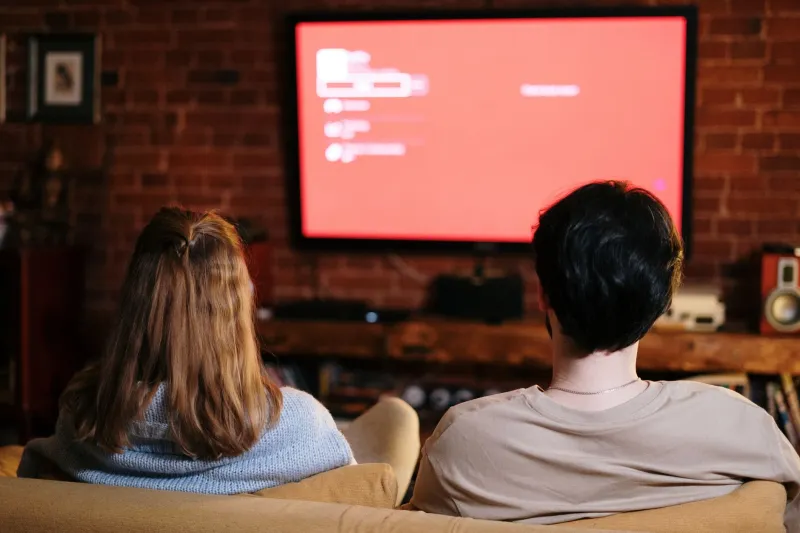
Ask anyone who watches foreign-language content regularly and they'll tell you — the subtitle versus dubbing debate is almost never just about the show. It's about the room. It's about whether your partner can follow along while folding laundry, whether your parents keep asking you to pause and explain, whether your kids are old enough to read fast enough. The second you factor in another human being, the whole conversation shifts.
Streaming has made international content more accessible than ever, which is genuinely exciting. But it's also created a new kind of social friction that nobody really warned us about.
The Lone Viewer Has It Easy
When you're watching solo, the choice is simple. Subtitles purists will tell you that dubbing strips away the original performance — the emotional texture in an actor's voice, the pacing of a line delivery, the cultural specificity baked into how a character actually speaks. They're not wrong. There's a reason so many people who first watched Squid Game with dubbing switched to subtitles after hearing about the difference. The original Korean performances carry a weight that even the best voice acting can't fully replicate.
Dubbing advocates, on the other hand, will point out that reading text while trying to absorb cinematography and visual storytelling is genuinely hard work. You miss things. Your eyes are doing double duty. For people with certain visual processing differences or reading challenges, subtitles can make an otherwise great show nearly inaccessible.
Both arguments are valid. Neither is the whole story.
When Someone Else Enters the Picture
Here's where it gets complicated. The moment you invite another person into your viewing experience, your personal preference becomes a negotiation. And that negotiation is loaded with stuff that has nothing to do with audio tracks.
There's a generational layer here that's hard to ignore. Younger viewers — particularly Gen Z and younger millennials — grew up on YouTube, anime, and international content. Reading subtitles feels as natural to them as watching anything else. For older viewers who came up on network TV and Hollywood blockbusters, subtitles can feel like homework. That's not a knock on anyone; it's just a different media diet producing different comfort zones.
Family watch nights become a genuine puzzle. A 28-year-old who wants to watch Dark with their 60-year-old parent is navigating more than a language setting. They're navigating decades of different viewing habits, attention styles, and what "relaxing in front of the TV" actually means to each of them.
The Tribal Thing Is Real
Let's be honest — there's a bit of identity wrapped up in this for a lot of people. Subtitle loyalists sometimes wear their preference like a badge of cultural sophistication. "I only watch the original version" can carry an unspoken implication that dubbed viewers are settling for something lesser. That attitude, while understandable, tends to alienate more people than it converts.
On the flip side, dismissing subtitles as too demanding or "too much effort" can come across as incurious — like you're only willing to engage with content on your own terms. Neither camp is entirely innocent here.
Streaming platforms have actually made this tribal loyalty more visible by surfacing global content so aggressively. When Money Heist, Lupin, and Parasite all became mainstream American talking points within a few years of each other, suddenly everyone had an opinion on how they consumed foreign content — and those opinions started functioning as cultural signals.
What Platforms Are Actually Doing About It
The good news is that the best streaming services have stopped treating this as a binary choice. Dubbing quality has improved dramatically — not universally, but noticeably. Shows like Attack on Titan and The Witcher have developed genuinely strong dubbed versions that don't feel like a compromise. Netflix in particular has invested heavily in localization, understanding that accessibility isn't just a nice-to-have; it's what actually grows a global audience.
There's also been real progress on subtitle design itself. Burned-in subtitles that blend into light backgrounds are increasingly rare. Color-coded dialogue, customizable fonts, and better timing sync have made reading along a less disruptive experience than it used to be. These aren't small things. They're the difference between a viewer sticking with a show and giving up after twenty minutes.
Some platforms are even experimenting with hybrid approaches — dubbed audio with the option to display original-language subtitles simultaneously, for viewers who want to hear the translation while still catching the original text. It's a niche feature, but it speaks to how nuanced this has gotten.
The Couch Compromise
So what do you actually do when you and your watch partner are on opposite sides? A few things tend to work better than others.
Start with dubbed and switch if it feels off. A lot of people who claim they can't do subtitles just haven't found the right show yet — one where the story is compelling enough to make the reading feel effortless. Let the dubbed version hook someone in, and then revisit the original audio once they're invested.
Also, consider the genre. High-action content with a lot of visual information happening simultaneously is genuinely harder to subtitle-watch than a slower drama. Match your format to your content type.
And sometimes — just sometimes — it's worth having the slightly awkward conversation about what watching together actually means to both of you. Is it about shared attention, or is it okay if one person is half-watching while the other is fully locked in? That answer changes everything.
It Was Never Really About the Audio
The subtitle versus dubbing debate keeps coming back because it keeps touching something real. It's about access, habit, effort, and the subtle negotiations that happen any time two people try to share an experience. Streaming has made the world's storytelling available to everyone — which is remarkable — but it's also made visible all the different ways people engage with that storytelling.
Your preference isn't wrong. Neither is theirs. The interesting question is what you're willing to do when those preferences collide — and whether the show is worth figuring it out together.